
In today’s interconnected business environment, lighting is not only illumination. With Power over Ethernet (PoE) lighting, it is intelligence. As buildings evolve to meet modern sustainability and efficiency standards, PoE lighting has emerged as a transformational technology that integrates power, data, and control into a unified, network-based system.
At Chelsea Lighting, we’ve been at the forefront of this evolution, delivering over 2.5 million square feet of PoE-enabled lighting systems across major corporate and commercial projects nationwide.
What is PoE lighting?
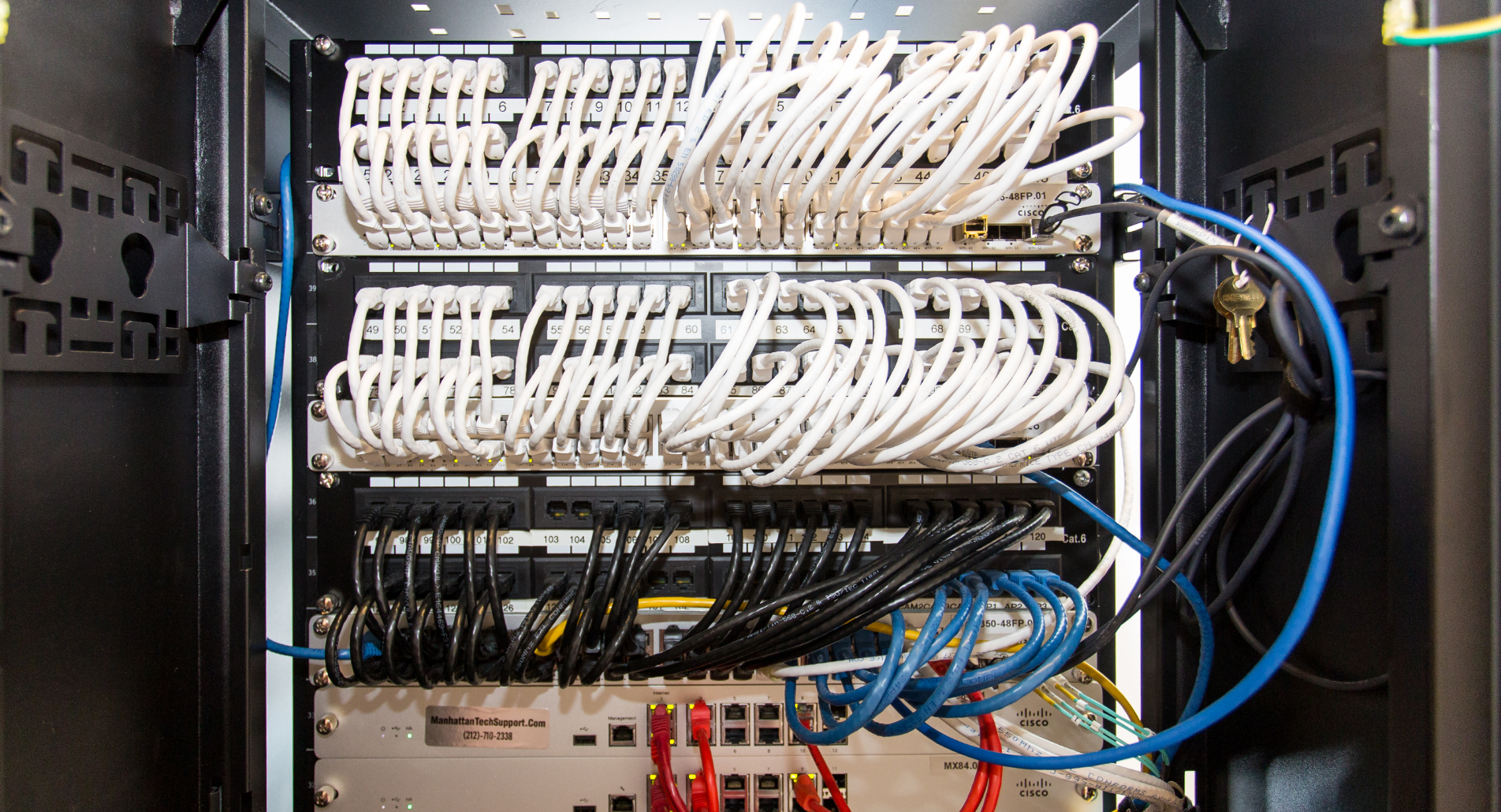
Power over Ethernet (PoE) lighting uses low-voltage data cabling to deliver both power and control to LED fixtures within smart, interconnected building environments. Lighting devices connect to network switches that supply power and enable communication among fixtures, sensors, and control systems.
While PoE lighting systems can integrate with a building management system (BMS), they can also operate independently, depending on the project’s needs.
How does PoE lighting work?
PoE lighting systems deliver power and control to LED fixtures through low-voltage Ethernet cabling, replacing traditional line-voltage wiring and conduit. This simplifies installation, reduces costs, and improves safety while making ongoing maintenance more efficient.
PoE systems use the same LED fixtures as traditional lighting but eliminate the need for line-voltage drivers and control devices, simplifying the system and improving efficiency.
How does PoE lighting interact with other building systems?
PoE lighting systems operate on a networked infrastructure that enables communication between lighting, sensors, and control platforms. While they can integrate with other building systems, such as shading or audiovisual systems—and may connect to a building management system (BMS)—they are not dependent on these integrations to function.
The key benefit of PoE lighting lies in its network of connected devices and sensors throughout a space. This infrastructure enables real-time data collection and gives end users greater visibility into how their environments are used, supporting more informed decisions around energy use, space utilization, and occupant experience.
Key Advantages of PoE Lighting
PoE lighting offers several distinct advantages that set it apart from traditional systems, particularly in modern commercial environments.
1. Low-Voltage Installation Without Compromise
PoE lighting uses low-voltage cabling in place of traditional line-voltage wiring, simplifying installation and improving safety. At the same time, it supports specification-grade lighting solutions, allowing projects to meet both performance and design requirements without compromise.
2. Scalable, Future-Ready Infrastructure
Built on a network-based architecture, PoE lighting systems are inherently scalable and adaptable. They support continuous data collection across a network of connected devices and create opportunities to integrate with other building systems, helping organizations develop more responsive, interconnected workspaces over time.
3. Simplified Day-to-Day Maintenance
Because PoE lighting operates on a network, maintenance can often be managed through IT workflows rather than traditional facilities requests. This streamlined approach allows issues to be identified and addressed more efficiently, reducing downtime and operational complexity.
Why Choose Chelsea for PoE Lighting?
Chelsea Lighting brings PoE lighting experience across more than 2.5 million square feet of premier commercial projects nationwide. Working with leading manufacturers such as MHT, Molex, Mecho, and Somfy, we deliver large-scale, technology-driven installations in collaboration with top architects, lighting designers, and general contractors.
From initial design through final build-out, we partner closely with our clients to deliver seamless, fully integrated PoE lighting solutions—from specification through completion.
To learn more about Chelsea Lighting’s PoE capabilities, contact our team here.
